Anticipatory Arms Control
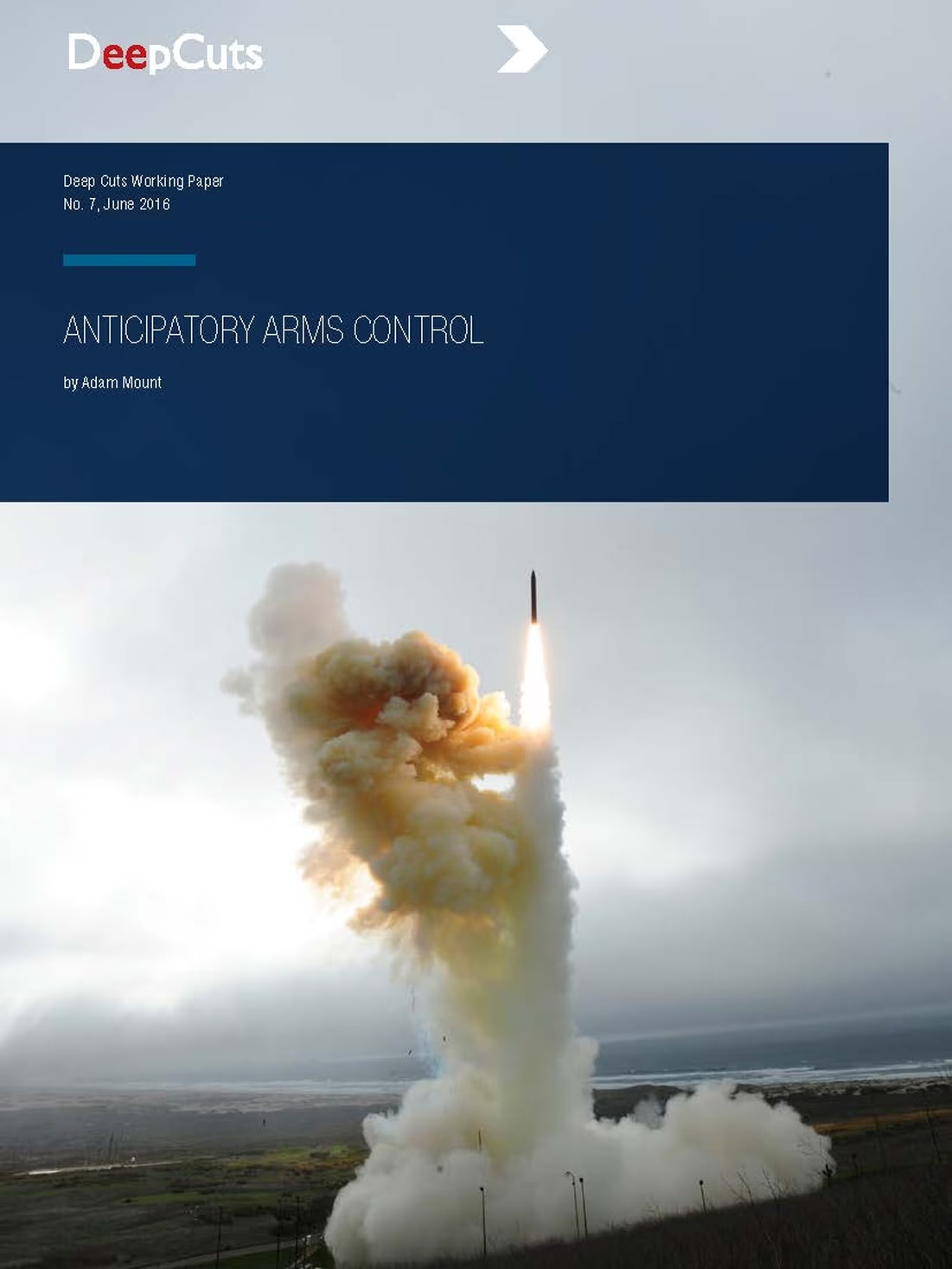
During the second term of the Obama administration, U.S.-Russia relations have deteriorated to levels not seen since the Cold War. Navigating this period of tension requires a renewed dedication to the idea of strategic arms control and new concepts that can deal with new challenges. The United States and Russia should seek a treaty that does not only limit existing strategic forces but also the weapons systems that both countries plan to develop and deploy in the next decade.
Abstract
This paper by Adam Mount discusses another approach to strategic nuclear arms control between the United States and Russia and offers concrete recommendations on how to stabilize the bilateral relationship while at the same time striking an agreement which could promote stability well into the 21st century.
In this way, each side could hope to control the most threatening systems that they face, avoid unnecessary expenditures, and present a more compelling case to their domestic audiences about the value of arms control.