Briefing - The NATO summit, the US-Russian summit and the future of nuclear arms control
NATO Heads of State and Government will gather on 14 June in Brussels to initiate the process leading to a new Alliance Strategic Concept. Two days later, on 16 June, Russian President Vladimir Putin and US President Joe Biden will meet in Geneva and discuss how to restore predictability and stability in Russian-US relations, including through new bilateral Strategic Stability talks.
Abstract
What are the implications of these meetings for future discussions on nuclear arms control? What can and what should we expect for future nuclear reductions? How are discussions on the Alliance’s deterrence and defence posture linked to the US-Russia bilateral track? How can Europeans ensure that Washington and Moscow take their interests into account?
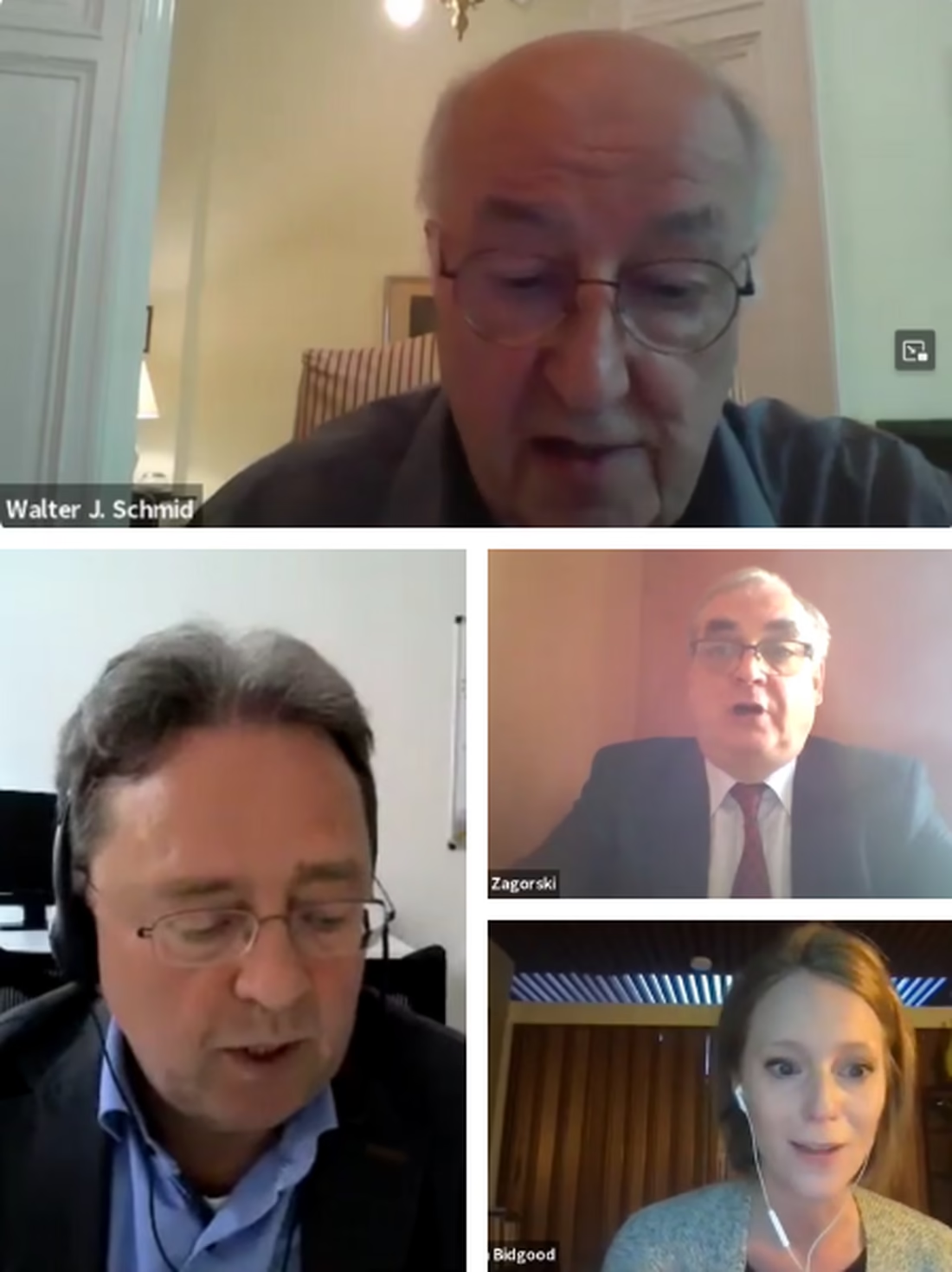
One week ahead of the NATO summit, we discussed these and related questions with three distinguished members of the Deep Cuts Commission, namely Sarah Bidgood, Ambassador Walter J. Schmid and Andrei Zagorski, moderated by Oliver Meier.